



Emotions & Scents – Why Scents Touch Our Innermost Being
How essential oils influence emotions, awaken memories and regulate the nervous system – understanding the emotional power of aromatherapy.
AROMATHERAPIE
Gloria Aromatherapy Expert
2/15/20261 min read
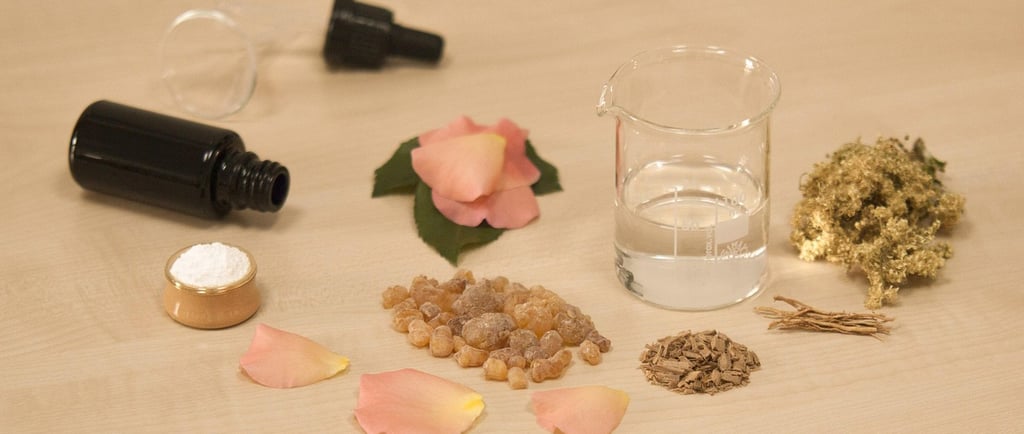
Scents work faster than words. A single fragrance can instantly transport us to a memory, trigger emotions, or bestow a deep sense of security.
This is no coincidence – but a fascinating biological mechanism.
The sense of smell is directly connected to the limbic system – the part of the brain responsible for emotions, memories, and stress responses. While other sensory impressions are first "filtered," scents reach our emotional center directly.
Why scents awaken memories
A familiar scent can evoke long-forgotten images, feelings, or moods. Often, these memories are more emotionally intense than visual impressions. This is precisely why essential oils are used in aromatherapy – to gently support emotional processes.
Emotional Regulation Through Aromatherapy
Certain essential oils have a calming effect on the nervous system, while others are activating or balancing. Lavender can relieve tension, citrus oils lift the spirits, and grounding scents like frankincense or patchouli convey security and stability.
Scents as Emotional Anchors
When a scent is used regularly in a specific context—for example, for relaxation or meditation—it can become an emotional anchor. The mere smell is then enough to recall the desired state.
Aromatherapy doesn't work against emotions, but with them. It invites us to perceive, accept, and gently transform feelings—without pressure, without words.
In a world full of stimuli, scents remind us how deeply connected body, mind, and emotions are. Sometimes change begins not in thinking, but in breathing.
Discover our aromatherapy sets for relaxation, balance and well-being:
https://essentziagarden.com/aromatherapie-set
https://essentziagarden.com/tranquillitat
https://essentziagarden.com/lavendelol-warum-gehort-es-zu-den-beliebtesten-atherischen-olen